
UTI, vaginal health & STI testing.
Get fast answers.
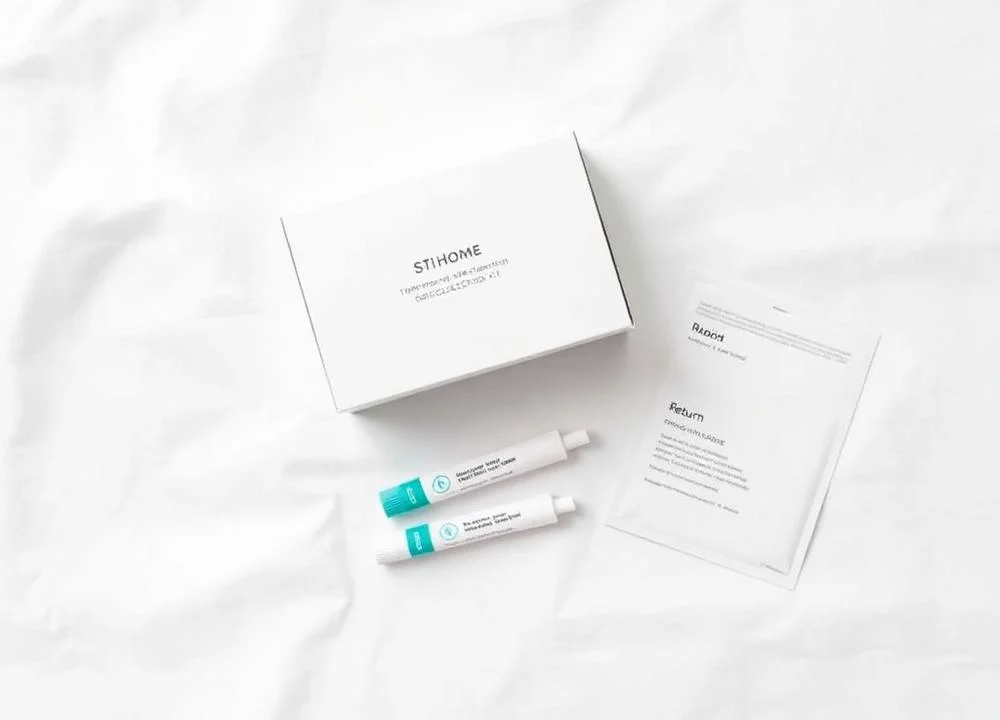
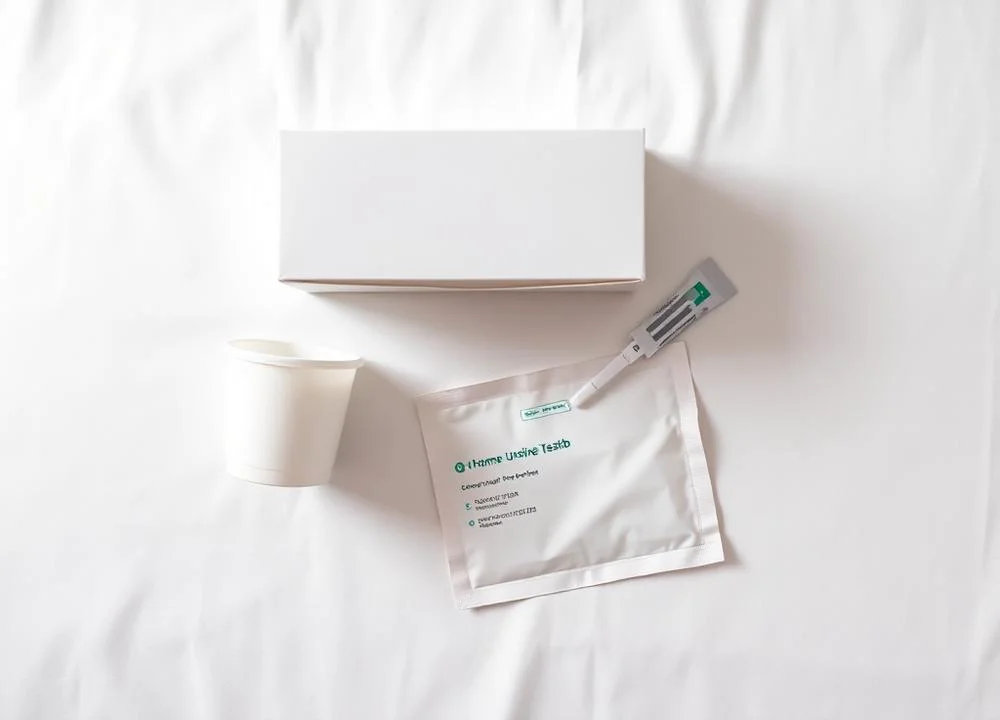
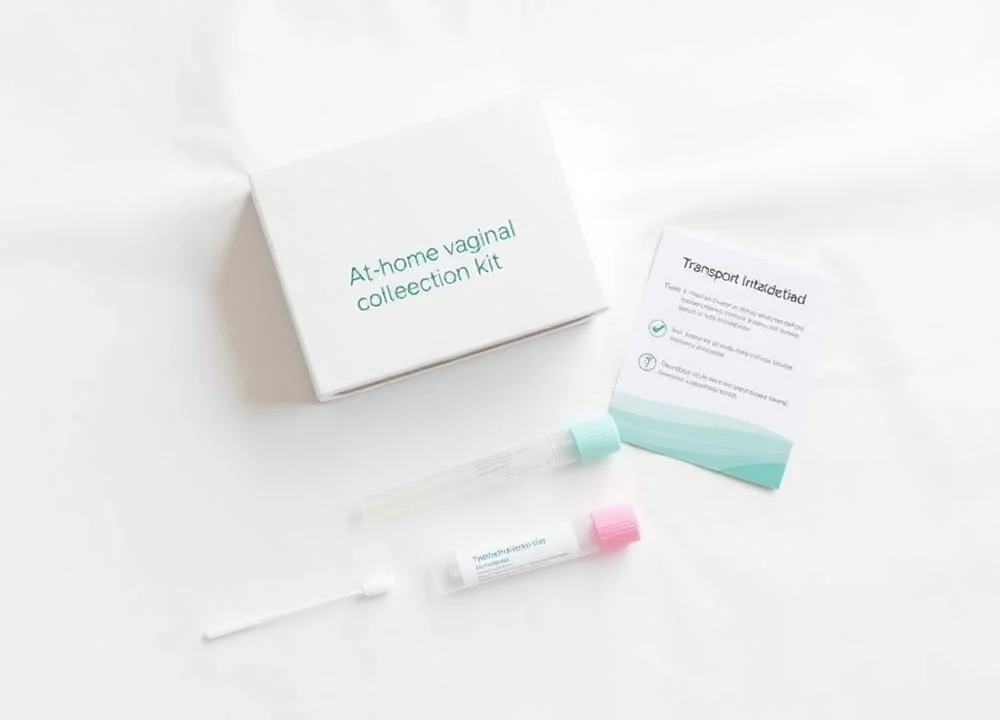
Lab-grade UTI, vaginal microbiome and STI testing you collect at home — read by our CLIA-certified, COMAR-accredited lab right here in Our Maryland lab Mail it back, or drop your sample at the lab the same day. $129 — or $249 for all three in one test. No appointment, no insurance, nothing on your record.

Three panels. Flat pricing.
Most women don't fit neatly into one box — UTI symptoms, BV and STIs overlap constantly, and a culture only looks for what it was told to look for. Every panel here uses quantitative real-time PCR, so slow-growing and hard-to-culture organisms still show up.
The cost of not testing
Population figures come from public health sources and are educational, not a diagnosis.
If a clinician or campus health center sent you here, you are in the right place. Order below — no appointment, no referral paperwork and no insurance claim required.
Order a test
Choose the infectious disease panel that fits your symptoms. Kits ship to your door, or drop your sample off at our Maryland lab. No appointment and no insurance claim required.
- ✓Eight infectious disease panels, all run in our own CLIA-certified Maryland lab
- ✓qPCR panels that identify the organism and its antibiotic resistance markers
- ✓Results in your secure portal, typically within 24-48 hours of receipt
Should you test now?
If any of these sound familiar, testing is the fastest way to get an answer.
- Burning, urgency or pelvic discomfort that has not settled.
- Symptoms keep coming back after a previous round of treatment.
- A new partner, or a partner told you to get checked.
- You want routine screening even though you feel fine.
- You would rather not wait for an urgent care appointment.
- A clinician or campus health center told you to test.
No appointment and no referral paperwork \u2014 order below and collect your sample at home.
A UTI can't wait for standard shipping.
Your sample doesn't get couriered across the country. It's run in our own lab — so you have three ways to get it there fast.
Walk-up sample drop-off is available at the lab. Samples received before 11am are processed the same day.
Every kit includes a prepaid FedEx overnight label. Drop it at any FedEx location or drop box — unmarked packaging, both directions.
Grab a kit the same day at the lab — no waiting on delivery to start.

What it actually costs to find out
Most people pay two to twenty-five times more, wait just as long, and still get a culture that can miss the organism.
Urgent care: self-pay UTI visits typically run $150–$300, including the facility fee and urinalysis (Solv Health, 2026 price guide; Doctronic, 2026). Emergency room: the national average charge for UTI treatment in the ER is $2,474 without insurance and $2,215 with insurance (Goodbill hospital price analysis). Costs vary by facility, region and services rendered.
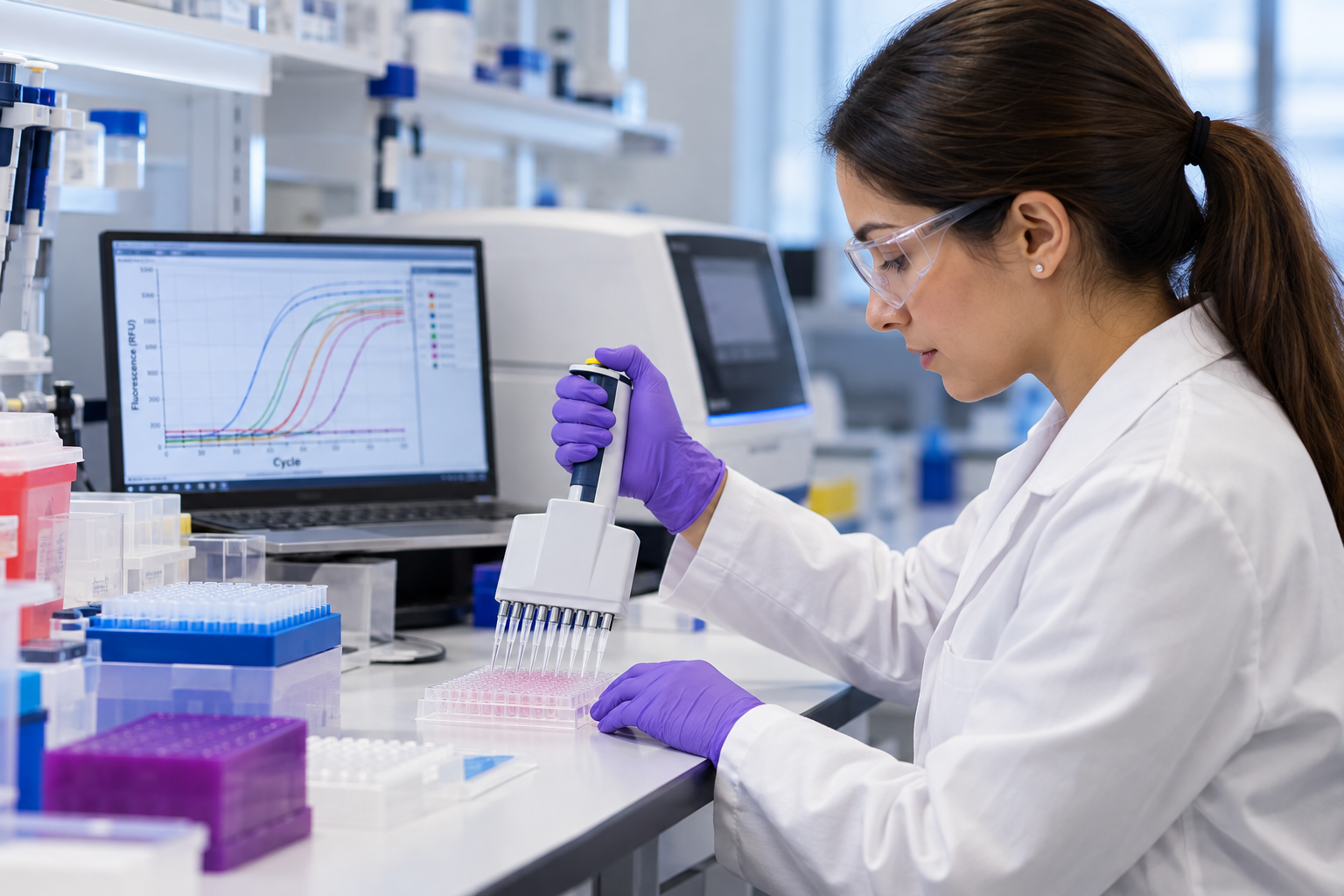
A culture can come back clean and still be wrong.
Many clinically relevant organisms are slow-growing, fastidious, or difficult to culture. qPCR detects their genetic material directly.
Quantitative results show how much of an organism is present — useful when several are found at once.
Nine antibiotic resistance markers on the UTI panel help your provider choose a treatment likely to work, instead of guessing and repeating.
Four steps, start to answer
No clinic visit at any point unless you want one.
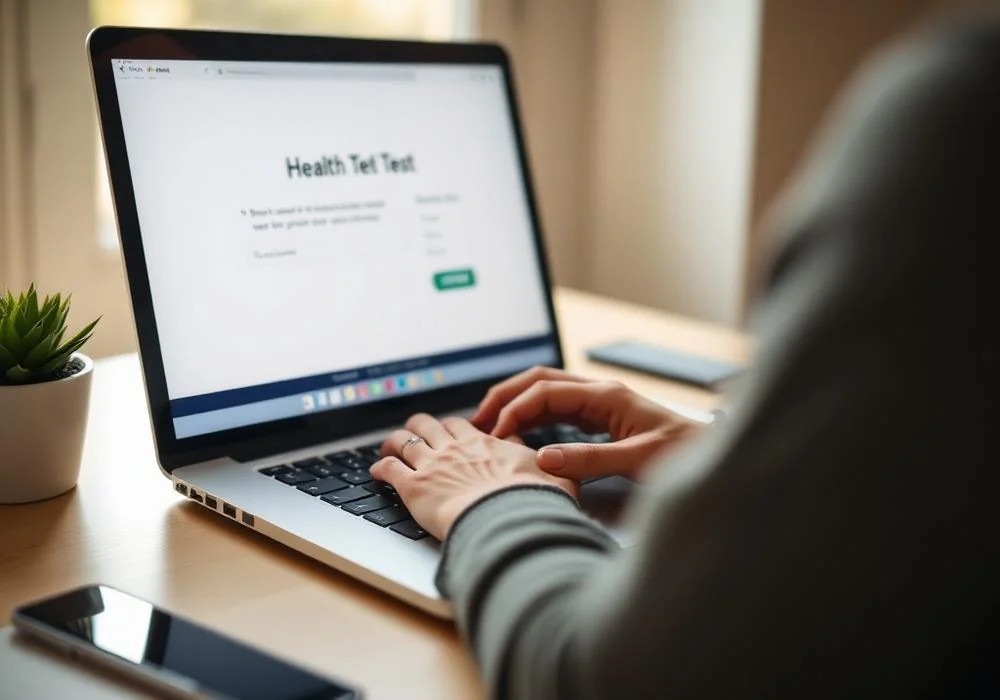
Pick your panel and check out in about two minutes. A licensed physician reviews and orders your test.
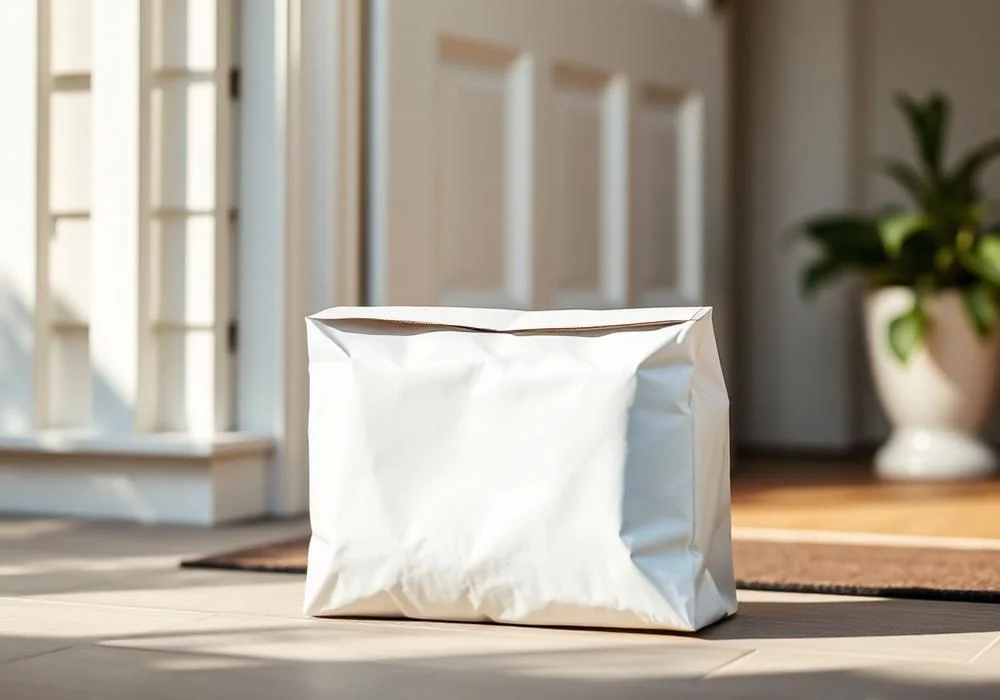
Plain, unmarked packaging with step-by-step instructions. Nothing on the box says what's inside.
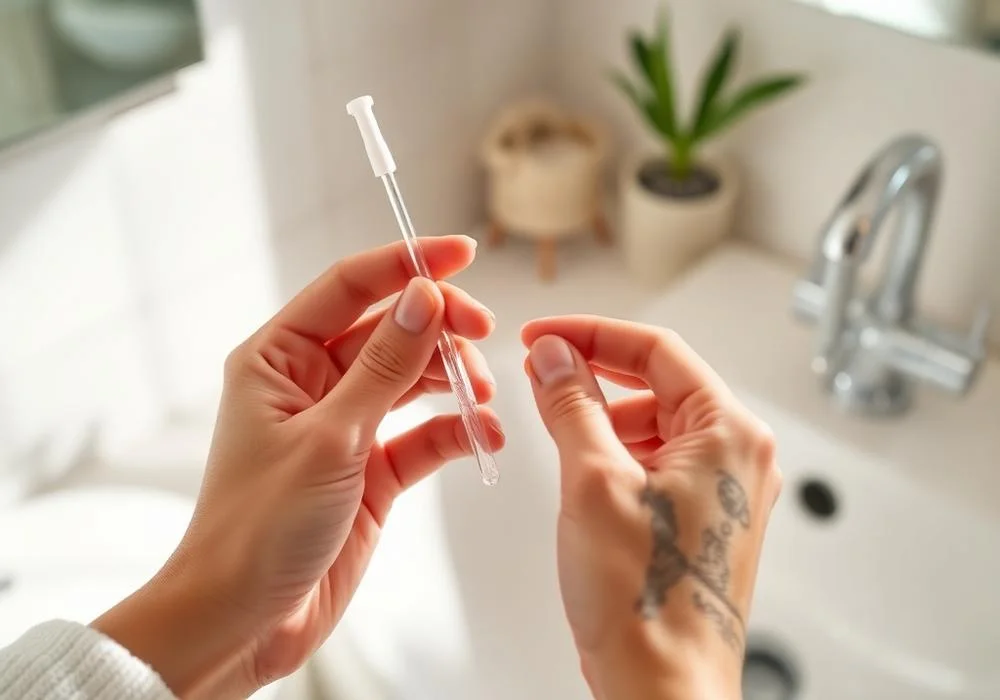
Self-collection takes a few minutes. Drop it at any FedEx location with the prepaid overnight label included.

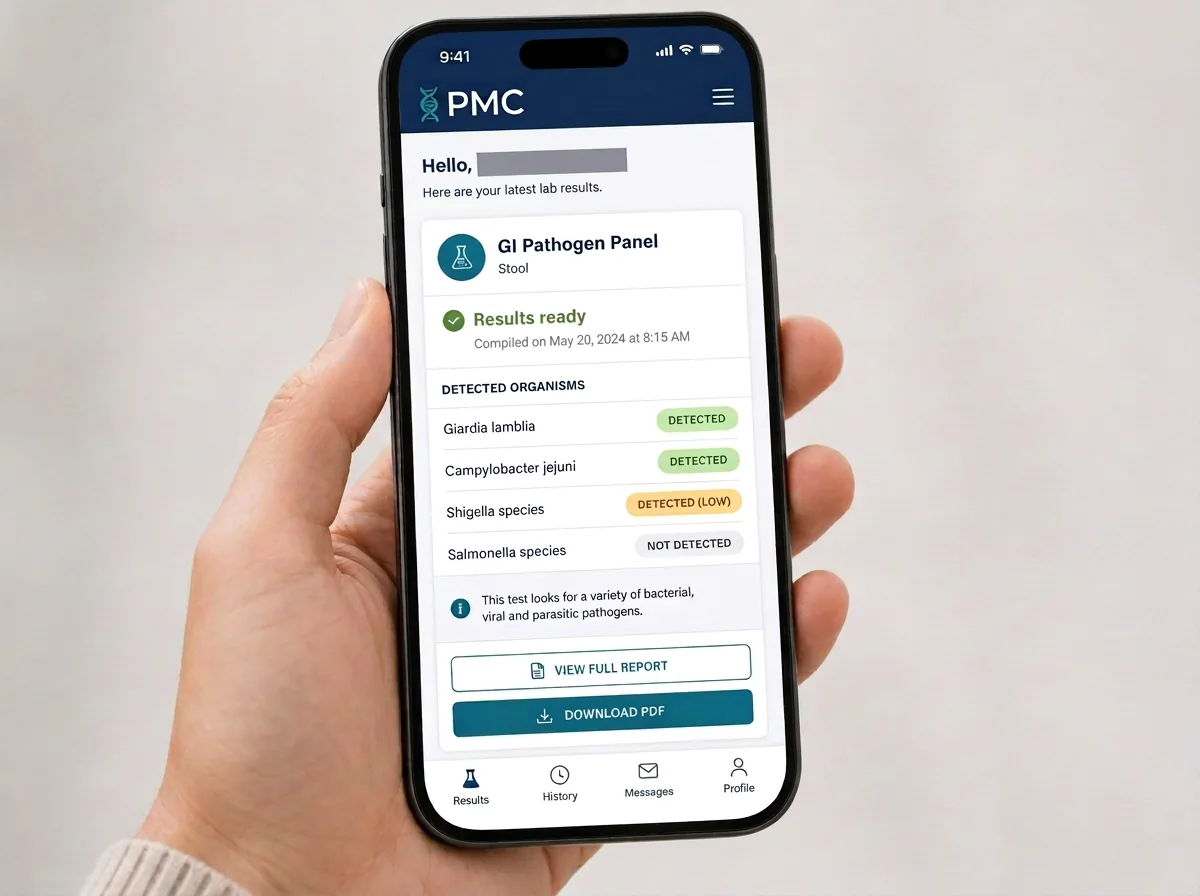
A CLIA/CAP clinical summary lands in your secure portal.
A report you can actually read — and hand to any provider.
Every organism we detect is listed by name with how much of it was found, in plain language, next to the clinical detail your provider needs.

Questions people actually ask
Is this as accurate as a test at a clinic?+
Your sample is processed by a CLIA-certified, COMAR-accredited laboratory using quantitative real-time PCR — the same molecular method used in hospital laboratories. Self-collection is validated for these panels; the instructions walk you through it.
How long until I get results?+
Typically a few business days from the day your sample reaches the lab. You'll get a notification the moment your report is ready.
What happens if something comes back positive?+
Your report includes a CLIA/CAP clinical summary you can bring to any provider. You can also book a consult with a healthcare provider through our lab for $199 to review results and discuss next steps.
Will this show up on my insurance or my parents' plan?+
No. You pay the lab directly, so no claim is submitted and no explanation of benefits is generated. Packaging is unmarked in both directions.
Do I need a doctor to order it?+
No. A licensed physician in our network reviews and places the order as part of checkout, at no extra cost.
Which panel should I choose?+
If your symptoms are urinary, start with UTI + Resistance. If you want STI screening after a possible exposure, choose the STI Panel. If symptoms are unclear or overlapping, the Vaginal Microbiota panel covers vaginal, urinary and sexually transmitted causes in one test.